
Choosing Replacement Windows for Maximum Energy Savings
Maintaining an energy-efficient home requires careful attention to the entire building envelope, where warm or cool air can easily escape if structural barriers are outdated or deteriorating over time. Residential structures experience significant thermal transfer through exterior glass openings, making thermal management a top priority for property owners seeking consistent interior comfort across all four seasons of the year. When old glass frames age, seal failures and single-pane glass allow exterior weather conditions to heavily influence indoor climate control systems. Upgrading these essential exterior openings creates a resilient protective barrier that significantly reduces operational strain on heating and cooling equipment throughout every month of the year.
Thermal efficiency involves creating a balanced indoor environment while minimizing unnecessary household power consumption. Advanced frame materials, specialized glass coatings, and inert gas fills work together harmoniously to reflect radiant solar heat during warm summer months and retain precious indoor warmth during freezing winter weather. Property owners who focus on upgrading their exterior glass structures often discover immediate improvements in daily living comfort, quieter interior spaces, and enhanced temperature stability across every room in the home. Understanding the intricate scientific mechanisms behind modern thermal glazing empowers homeowners to make thoughtful, informed decisions for their residential properties.
Selecting modern replacement windows provides a practical, highly effective solution for optimizing thermal performance and elevating long-term property quality. By evaluating framing options, glazing technology, and professional installation standards, individuals can transform their living spaces into models of sustainable design and architectural beauty. Exploring how advanced architectural glass impacts daily living environments reveals why so many homeowners prioritize thermal upgrades when planning comprehensive home improvement projects.
Understanding Thermal Efficiency in Modern Glazing
Thermal performance in residential building envelopes relies heavily on how effectively exterior fixtures prevent conductive and radiative heat movement between indoor and outdoor environments. Older glass fixtures often feature single panes or deteriorating edge seals that allow conditioned indoor air to leak outside while unconditioned exterior air constantly seeps indoors. Modern engineering directly addresses these vulnerabilities by utilizing multi-pane designs filled with dense inert insulating gas between individual glass layers. This sophisticated structural configuration creates an insulating barrier that significantly slows heat migration through the complete glass assembly.
In addition to multi-pane construction, low-emissivity glass coatings play a central role in controlling radiant solar energy transfer throughout changing seasons. These microscopic, metallic layers reflect infrared and ultraviolet light rays while allowing generous amounts of natural sunlight to illuminate living spaces. During summer days, the reflective coating blocks incoming solar heat from warming interior rooms, whereas during winter weather, it reflects interior furnace heat back inside. Choosing advanced replacement windows equipped with low-emissivity technology ensures optimal temperature balance regardless of fluctuating weather conditions outside.
Evaluating Frame Materials for Insulating Power
While high-performance glass is critical, the framing material surrounding the glass assembly plays an equally vital role in overall insulating effectiveness, structural stability, and long-term durability. Frame construction directly influences structural stability, perimeter air tightness, and resistance to environmental moisture infiltration over time. Common framing materials include modern vinyl, composite blends, fiberglass, and traditional wood, each offering distinct thermal properties and maintenance characteristics for residential applications. Selecting high-density framing options prevents air infiltration around perimeter seals, ensuring that the entire fixture performs efficiently for decades.
Vinyl and fiberglass frames are particularly celebrated for their minimal thermal conductivity and long-lasting resistance to harsh weather exposure. Unlike metal frames that readily transfer heat and cold directly into the home, non-metallic materials act as natural insulators that maintain consistent interior surface temperatures. According to This Old House, around 20% of homeowners surveyed stated that energy efficiency and long-term energy savings served as the primary motivation when selecting replacement windows. Investing in well-insulated framing materials reinforces the overall protective envelope of the home while supporting sustainable performance.
Analyzing Advanced Glass Options and Gas Fills
The hollow space between glass panes in modern fixtures offers a unique structural opportunity to enhance insulation far beyond traditional air-filled units. Specialized glass manufacturers inject dense, non-toxic inert gases such as argon or krypton into the factory-sealed chamber between individual glass panes. Because these inert gases are significantly denser than standard atmospheric air, they drastically impede thermal convection currents within the glass unit itself. This specialized chamber configuration minimizes heat transfer across the opening, creating a noticeably warmer interior glass surface during freezing winter weather conditions.
Selecting triple-pane configurations further amplifies thermal resistance by creating two distinct insulating gas chambers and accommodating multiple low-emissivity coatings within a single unit. Triple glazing provides superior sound attenuation alongside exceptional thermal control, making it ideal for homes located in harsh climates or noisy urban environments. Integrating these advanced glass technologies when opting for replacement windows ensures maximum defense against extreme temperature swings and seasonal weather shifts.
Eliminating Drafts Through Precise Installation Standards
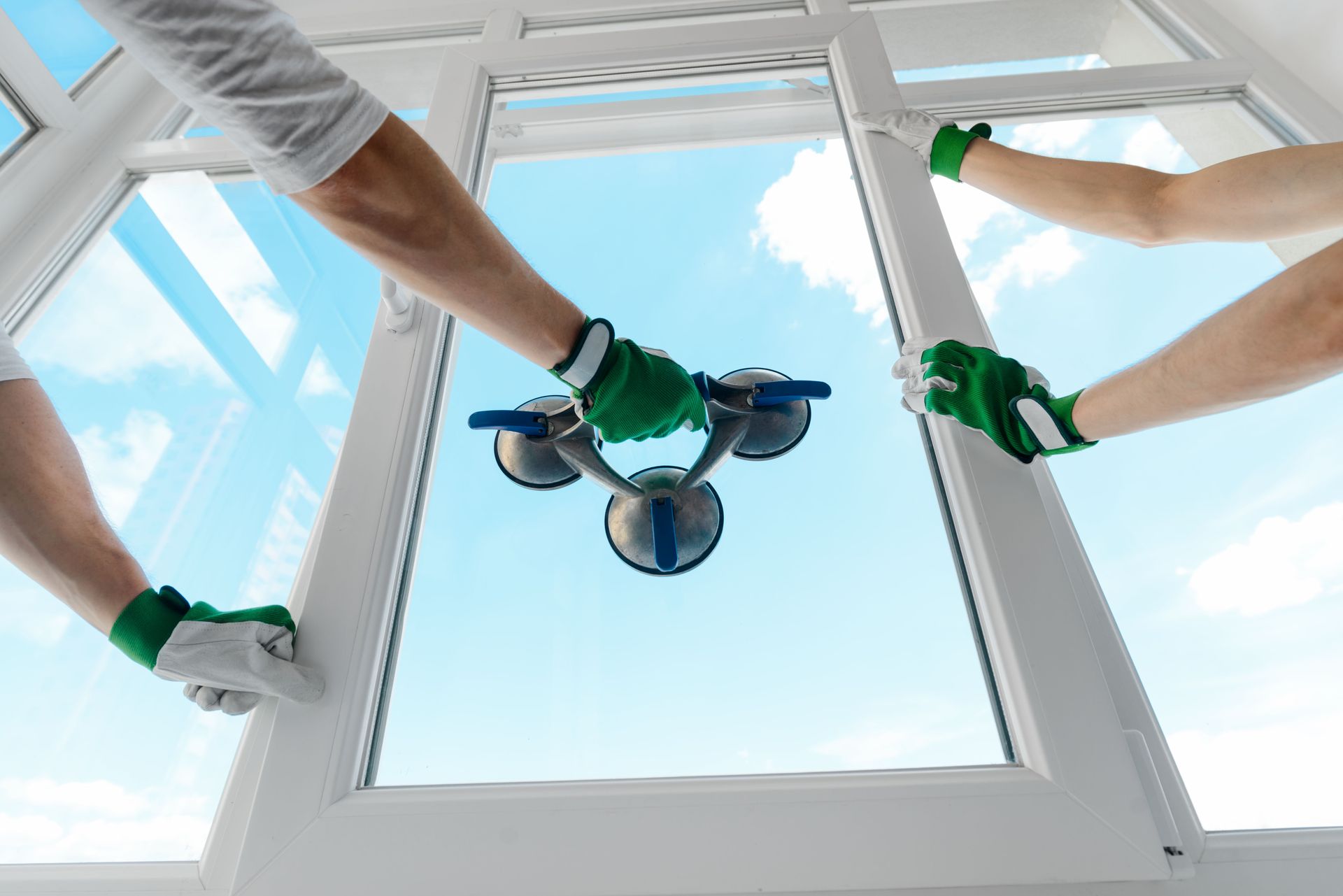
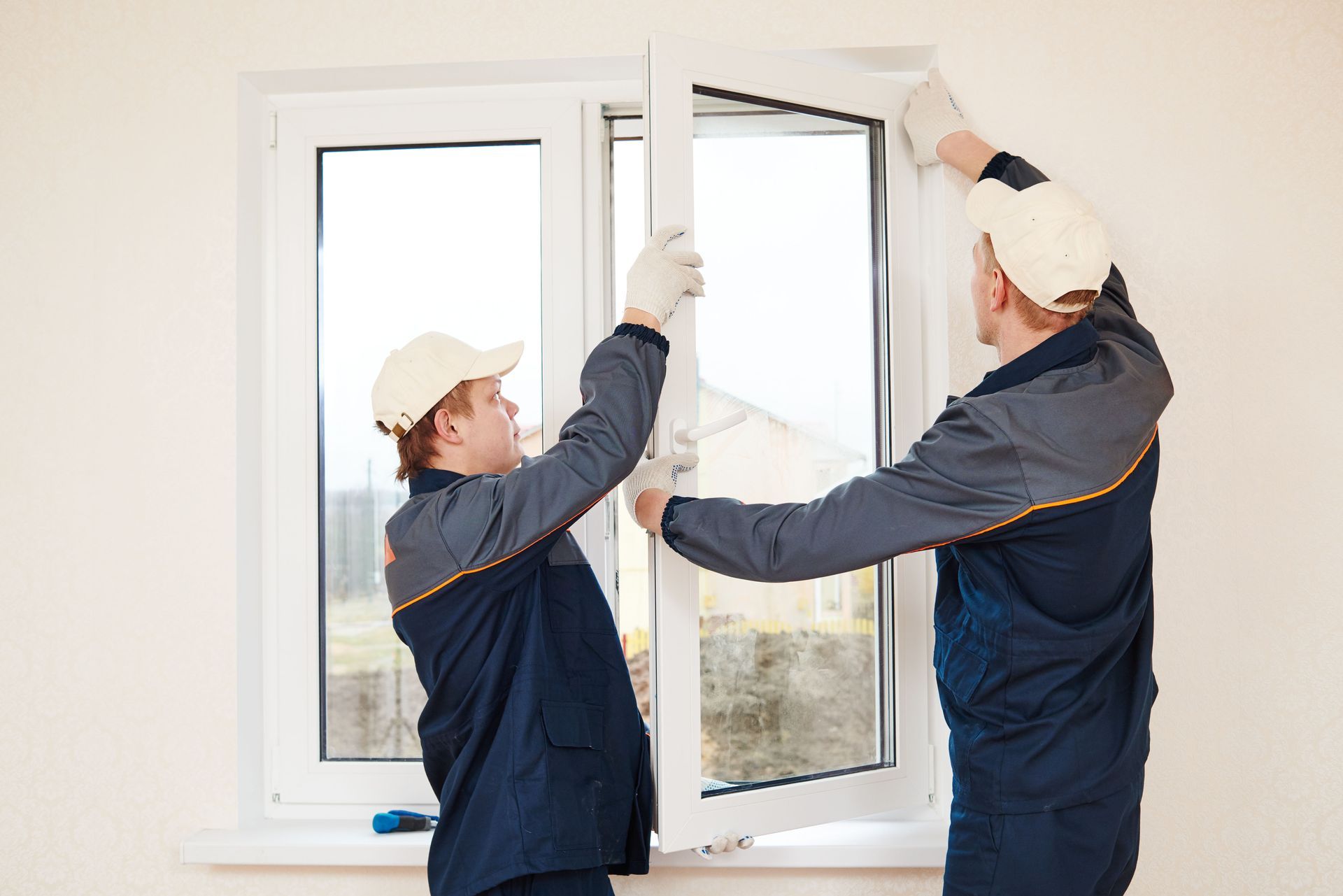
Even the most technologically advanced glass fixture cannot deliver peak energy efficiency if installation procedures are executed improperly or without precise attention to detail. Gaps between the frame and wall framing can create hidden avenues for cold drafts, unwanted air leakage, and damaging moisture intrusion over extended periods of time. Professional installation protocols require exact site measurements, careful perimeter flashing installation, and high-performance expanding foam insulation to seal every microscopic gap surrounding the opening. Proper perimeter sealing guarantees that the thermal barrier remains completely continuous around the entire frame assembly.
Proper structural alignment during installation also prevents operational binding, sash sagging, and premature weatherstrip wear over extended periods of daily use throughout the year. When sashes close tightly against durable weather seals, the fixture forms an airtight lock that keeps blustery winter winds and humid summer air outside where they belong. Upgrading to replacement windows installed by experienced specialists ensures that the structural perimeter remains fully protected against air infiltration, moisture buildup, and environmental stress for decades to come.
Maximizing Sustainable Comfort and Home Value
Upgrading exterior glass openings extends practical benefits far beyond simple energy conservation, contributing directly to overall household comfort, quieter living environments, and enhanced peacefulness. Enhanced thermal insulation prevents cold interior glass surfaces that create unpleasant radiant drafts near seating areas and windowsills during winter months. Furthermore, effective solar filtering protects interior furnishings, hardwood floors, vibrant upholstery, and valuable artwork from premature fading caused by direct ultraviolet radiation exposure. Creating a balanced interior environment enhances everyday family enjoyment across every living area in the house.
From a broader environmental perspective, reducing overall household power consumption lowers the carbon footprint associated with residential heating and air conditioning operations. Decreased energy demand eases regional electrical grid strain during peak summer heat waves and severe winter freezes. Deciding to install replacement windows demonstrates a meaningful commitment to sustainable living while simultaneously upgrading the architectural beauty, curb appeal, and structural integrity of the entire residence.
Optimizing home energy efficiency requires a comprehensive, well-planned approach to thermal protection, starting with the exterior glass openings that guard against weather extremes and environmental shifts. By choosing advanced multi-pane glazing, low-emissivity coatings, dense gas fills, and durable insulated frames, homeowners can maintain consistent interior comfort throughout the year while significantly reducing unnecessary household energy consumption and environmental impact.
If you are ready for maximum energy savings and elevated comfort in your home, contact us at Wisconsin Window Pros, Inc. today. We will help you select and install high-quality replacement windows tailored to your specific architectural needs.
Share On: