
How New Windows Can Improve Your Home's Energy Efficiency
Upgrading your home's thermal barriers is one of the most effective ways to reduce utility bills and enhance year-round comfort. Over time, drafty or outdated glass units allow conditioned air to escape, forcing your HVAC system to work much harder than necessary. By exploring the impact of windows on energy efficiency, we can see how modern materials and technologies lead to significant improvements in your home's energy consumption. Selecting the right framing materials, glass coatings, and gas fills will transform your living space into a more sustainable, cost-effective environment.
Evaluate the Role of Windows in Home Insulation
Windows play a crucial role in a home's insulation, acting as barriers to external temperatures. A properly insulated window helps maintain a consistent indoor climate, reducing the need for excessive heating or cooling. This insulation is achieved through various technologies, including double or triple glazing that traps air between layers of glass. These air pockets serve as thermal barriers, slowing the transfer of heat. By minimizing heat exchange, energy-efficient choices significantly reduce energy consumption and costs.
Insulation effectiveness is measured by the R-value, which indicates resistance to heat flow. Higher R-values mean better insulation and energy efficiency. Structural glass units with high R-values contribute to a more stable indoor environment, reducing reliance on HVAC systems. Modern glass units are designed with advanced materials and coatings to enhance their insulating properties. This results in reduced utility bills, contributing to overall household savings.
According to a study conducted by This Old House, more than 89% of 1,000 surveyed homeowners noticed a drop in their monthly utility costs after they upgraded to new windows, with most experiencing an average monthly savings of $25 to $50. These savings are largely attributed to improved insulation and reduced heat loss. By investing in high-quality products, homeowners can achieve significant financial benefits over time. The initial cost of upgrading is often offset by long-term savings on energy expenses. This makes energy-efficient glass installations a smart investment for any homeowner looking to enhance their property's efficiency.
Discover Different Types of Energy-Efficient Windows
Energy-efficient designs come in various types, each offering unique benefits for the household. Double-glazed options are common, featuring two layers of glass with an air or gas-filled space in between. This design reduces heat transfer and improves insulation. Triple-glazed upgrades take this a step further, providing an additional layer of insulation. These advanced selections are ideal for colder climates where maintaining warmth is essential.
Low-emissivity (Low-E) options are another popular option, featuring a special coating that reflects heat while allowing light to pass through. This coating helps keep homes warmer in the winter and cooler in the summer. Low-E setups are particularly effective in climates with extreme temperature fluctuations. They provide excellent energy savings by reducing the need for artificial heating and cooling. Homeowners can select specialized options based on their specific climate needs and energy efficiency goals.
Choosing the right type of energy-efficient design depends on various factors, including climate, budget, and aesthetic preferences. It's important to consult with professionals to determine the best option for your home. Upgrading to energy-efficient windows is a long-term investment that can significantly enhance comfort and reduce energy costs. By understanding the different types available, homeowners can make informed decisions that align with their energy-saving objectives.
Learn About U-Factor and Solar Heat Gain Coefficient
The U-factor and Solar Heat Gain Coefficient (SHGC) are critical metrics for evaluating glass performance. The U-factor measures a glass unit's ability to prevent heat from escaping, with lower values indicating better insulation. This is important for maintaining indoor temperatures and reducing heating costs. SHGC measures how well a glass surface blocks heat from the sun, with lower values indicating better performance in hot climates. Together, these metrics provide a comprehensive view of overall residential energy efficiency.
Glass systems with low U-factors are ideal for colder climates where retaining heat is essential. Conversely, installations with low SHGC values are better suited for warmer regions where minimizing solar heat gain can reduce cooling costs. Understanding these metrics allows homeowners to select options that optimize energy savings based on their specific climate conditions. By choosing glass products with the appropriate U-factor and SHGC, homeowners can achieve a balance between comfort and efficiency.
Examine the Impact of Framing Materials on Efficiency
Framing elements play a crucial role in determining the overall energy efficiency of a glass unit. Different materials offer varying levels of insulation, impacting overall thermal performance. Wooden borders are known for their excellent insulation properties but require regular maintenance to prevent deterioration. Vinyl options are a popular choice due to their low maintenance and good insulation capabilities. Aluminum frames, while durable, are less energy-efficient due to their high thermal conductivity.
Composite frames combine the benefits of multiple materials, offering enhanced insulation and durability. These frames are designed to minimize heat transfer, contributing to overall energy savings. The choice of frame material should consider factors such as climate, budget, and maintenance preferences. By selecting the right frame material, homeowners can enhance the energy efficiency of their glass installations and reduce energy costs.
Recognize the Value of Professional Installation Services
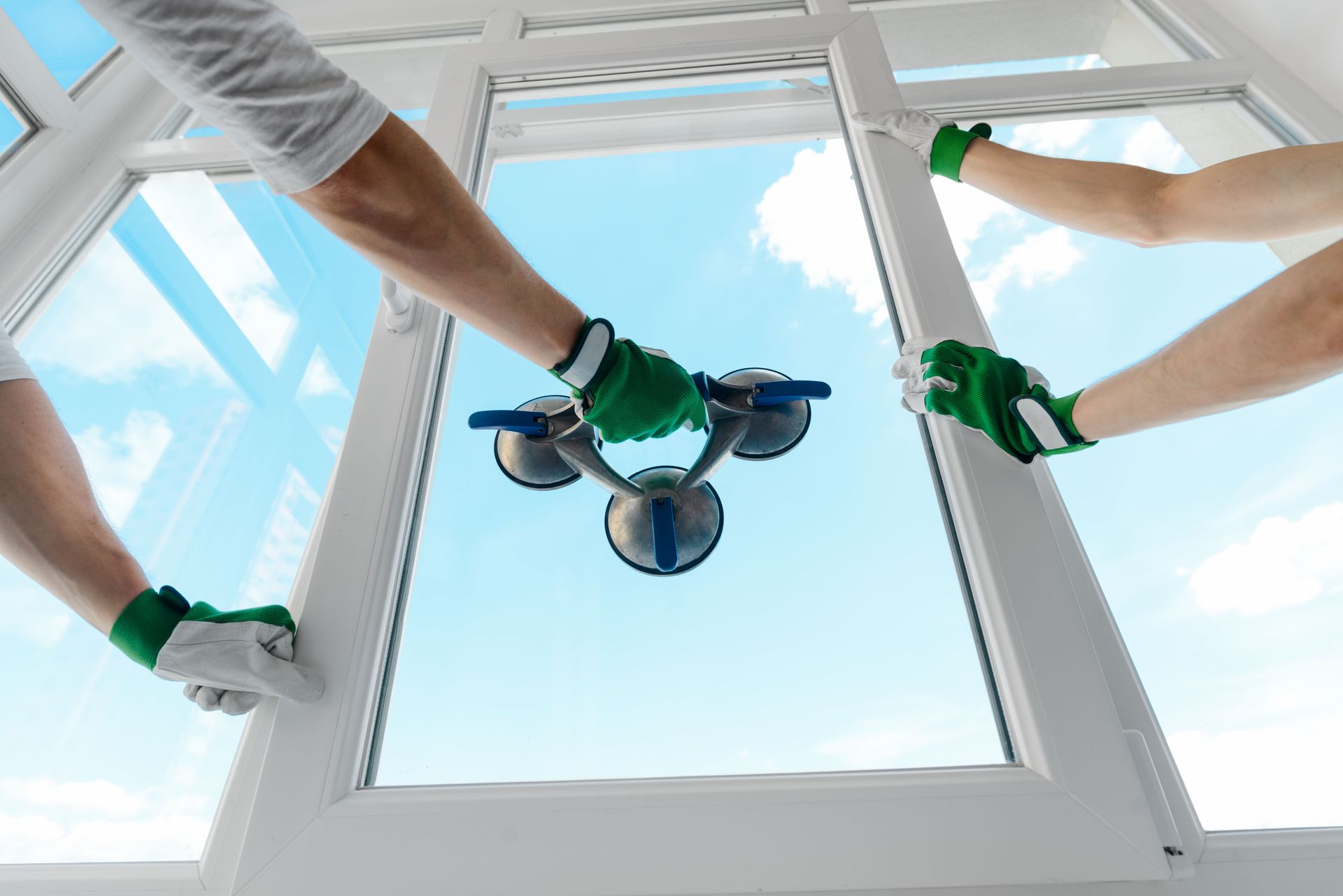
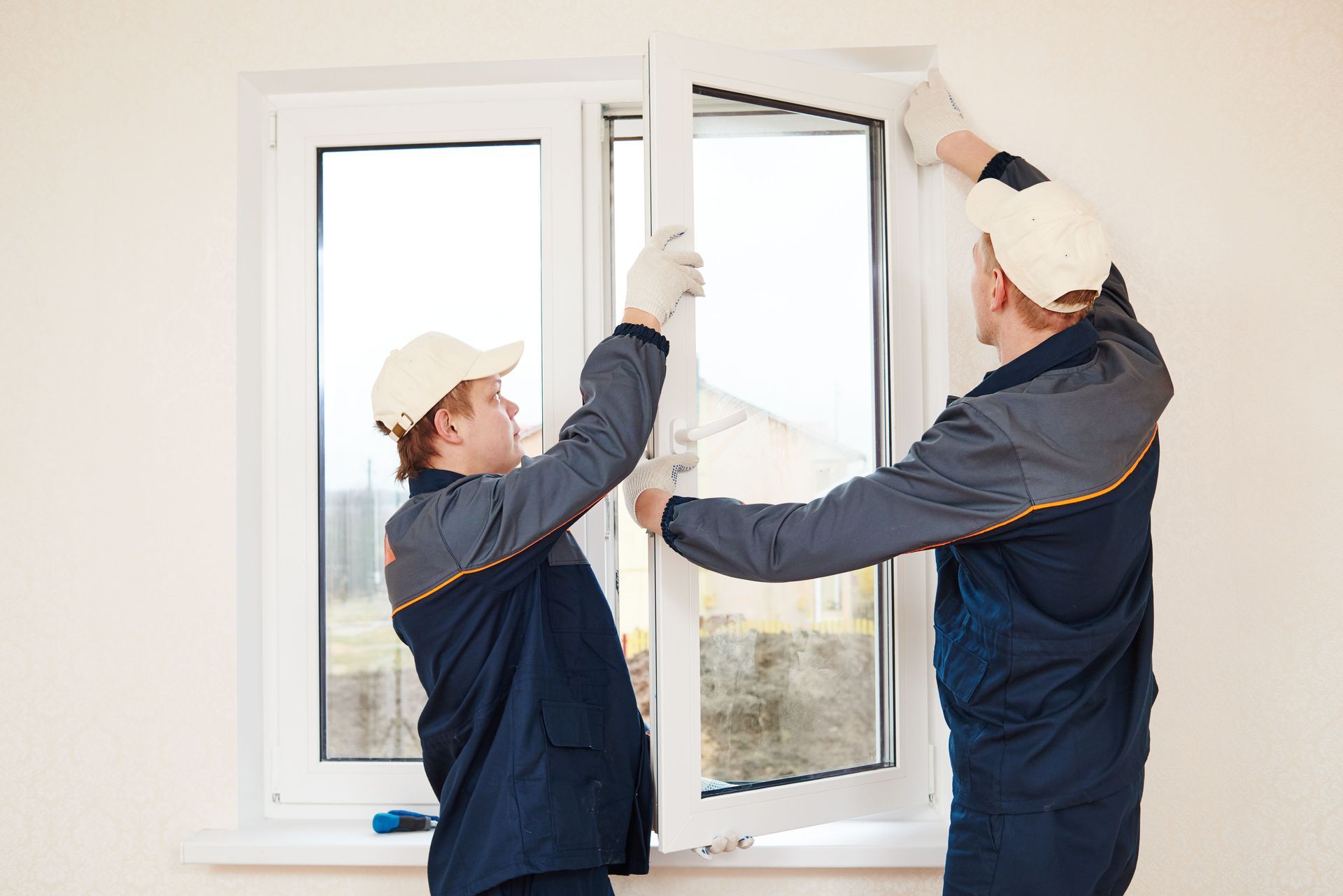
Professional installation is critical to ensuring the true energy efficiency of new windows. Even the most advanced glass technology can underperform if not installed correctly. Proper installation involves precise measurements, secure sealing, and alignment to prevent air leaks. Professionals have the expertise to handle these details, ensuring that everything functions exactly as intended. This contributes to maximum energy savings and enhanced indoor comfort.
Improper setup can lead to gaps and leaks, reducing insulation capabilities. This can result in increased energy consumption and higher utility bills. Professional installers have the tools and knowledge to address potential issues and provide a seamless fit. By investing in professional installation, homeowners can protect their investment and achieve optimal energy efficiency. This also reduces the likelihood of costly repairs or replacements in the future.
Professional installation also ensures compliance with local building codes and regulations. This is important for maintaining the structural integrity and safety of the home. Homeowners should research and select reputable installers with experience in energy-efficient replacements. By prioritizing professional installation, homeowners can enjoy the full benefits of their new investment and achieve significant energy savings. This investment pays off through reduced energy bills and increased home value.
Maximize Savings Through Lower Monthly Energy Bills
One of the most significant benefits of upgrading glass infrastructure is the noticeable reduction in energy bills. Energy-efficient choices are designed to minimize heat loss in the winter and heat gain in the summer, reducing the need for artificial heating and cooling. As a result, homeowners can enjoy substantial savings on their energy expenses. According to a study conducted by This Old House, more than 89% of 1,000 surveyed homeowners noticed a drop in their monthly utility costs after they upgraded to new windows, with most experiencing an average monthly savings of $25 to $50.
The savings on energy bills can offset the initial investment over time. This makes energy-efficient structural upgrades a cost-effective solution for enhancing home efficiency. By reducing energy consumption, these upgrades also contribute to a more sustainable living environment. Homeowners can benefit from both financial savings and environmental impact by upgrading to modern, energy-efficient options. This makes them a smart investment for any property.
Energy-efficient installations also provide long-term value by enhancing a home's overall energy performance. As energy costs continue to rise, the savings from these upgrades become even more significant. Homeowners can enjoy a more comfortable living environment while reducing their carbon footprint. By investing in high-quality products, homeowners can achieve lasting energy savings and increased home value. This makes upgrading a highly worthwhile decision.
Upgrading your home with advanced thermal technology is an investment that provides multi-faceted returns over time. We understand that navigating the world of modern glass technology can feel overwhelming, which is why we are dedicated to handling the hard work for you. Our team specializes in precision vinyl and composite installations that ensure your household remains insulated, quiet, and highly efficient through every season. If you are ready to cut down on utility costs and elevate your home comfort, contact Wisconsin Window Pros, Inc. today to schedule a professional consultation.
Share On: